
Miso Soy Glazed Halibut Ready in Just 30 Minutes
Last Updated on February 12, 2026 by Aniela Recipes Team
There s something truly invigorating about welcoming fresh flavors into your kitchen, especially in the springtime. Recently, while daydreaming about lighter meals, I decided to whip up a dish that was both quick and indulgent: Miso Soy Glazed Halibut. With its tender texture and a glaze that dances between sweet and savory, this dish transforms a simple weeknight dinner into a culinary celebration.
What s remarkable is that you can enjoy this elegant seafood delight in under 30 minutes, making it perfect for busy evenings without sacrificing flavor or health. And if you re feeling adventurous, the sweet umami glaze works wonders on salmon, chicken, or shrimp too, allowing for a delightful variety of meals with minimal effort. Whether you re entertaining guests or simply treating yourself, this dish promises to elevate your dining experience. Get ready to savor every bite!
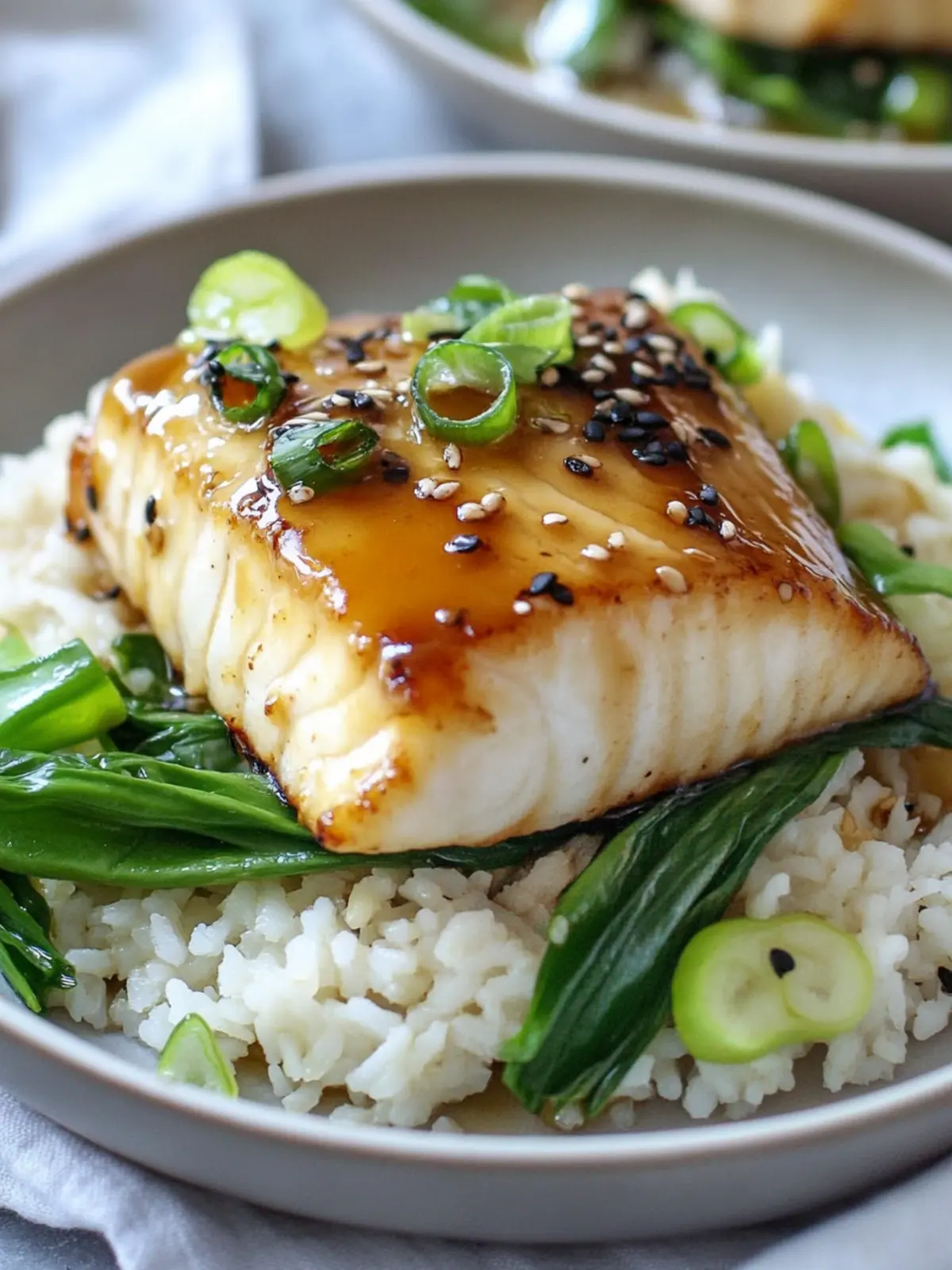
Why is Miso Soy Glazed Halibut so special?
Quick Preparation: Have a delicious dinner on the table in just 30 minutes! Perfect for busy weeknights.
Healthy Indulgence: Enjoy a meal packed with omega-3s and nutrients, all while keeping it gluten-free.
Versatile Glaze: This glaze isn t just for halibut; try it on salmon, chicken, or shrimp for endless variations.
Elevated Flavor: The harmonious blend of umami and sweet notes creates a restaurant-quality experience at home.
Stunning Presentation: Impress your guests with beautifully caramelized halibut, a feast for both the eyes and palate.
With its delightful combination of flavors and textures, you ll certainly want to add this quick dish to your weeknight rotation!
Miso Soy Glazed Halibut Ingredients
For the Halibut
Halibut Choose fresh, preferably Pacific caught for the best flavor.
White Wine Adds acidity; substitute with vegetable broth for a non-alcoholic version.
Soy Sauce Provides savory depth; use tamari for a gluten-free alternative.
White Miso Offers rich umami flavor; available in the tofu section of stores.
Chili Ponzu Introduces zest and spice; swap with regular ponzu or a splash of lime juice.
Sesame Oil Adds nuttiness and aroma; replace with olive oil in a pinch.
Garlic Enhances overall flavor; fresh garlic is best, but garlic powder can be used.
For the Side
Brown Rice A complex carbohydrate side dish; quinoa or cauliflower rice can be substituted.
Bok Choy Nutrient-rich vegetable side; substitute with any green like spinach or Swiss chard.
For Garnish
Sesame Seeds Optional but recommended for added flavor and texture.
Green Onion Adds freshness; chop and sprinkle on top before serving.
Gather these ingredients, and you ll be on your way to creating a delicious Miso Soy Glazed Halibut that s sure to impress!
How to Make Miso Soy Glazed Halibut
Combine Ingredients: In a small saucepan, whisk together white wine, soy sauce, white miso, chili ponzu, sesame oil, and minced garlic over medium-low heat. Warm until smooth but don t let it boil a few minutes should do!
Marinate the Halibut: Brush the halibut fillets generously with the glaze. Pop them into the refrigerator to marinate for about 30 minutes. This allows all those wonderful flavors to soak in!
Preheat the Broiler: Set your oven s broiler to high and line a sheet pan with foil for easy cleanup. This will prepare your cooking surface and make deliciously caramelized halibut.
Broil the Fish: Place the marinated halibut skin-side down on the prepared pan. Broil for 8-10 minutes, watching for it to become nicely caramelized and opaque. The fish should flake easily when it s done.
Serve and Enjoy: Immediately serve the halibut with any remaining glaze drizzled over it. Garnish with sesame seeds and sliced green onions for a fresh, flavorful finish!
Optional: Serve over a bed of brown rice for a complete meal.
Exact quantities are listed in the recipe card below.
Expert Tips for Miso Soy Glazed Halibut
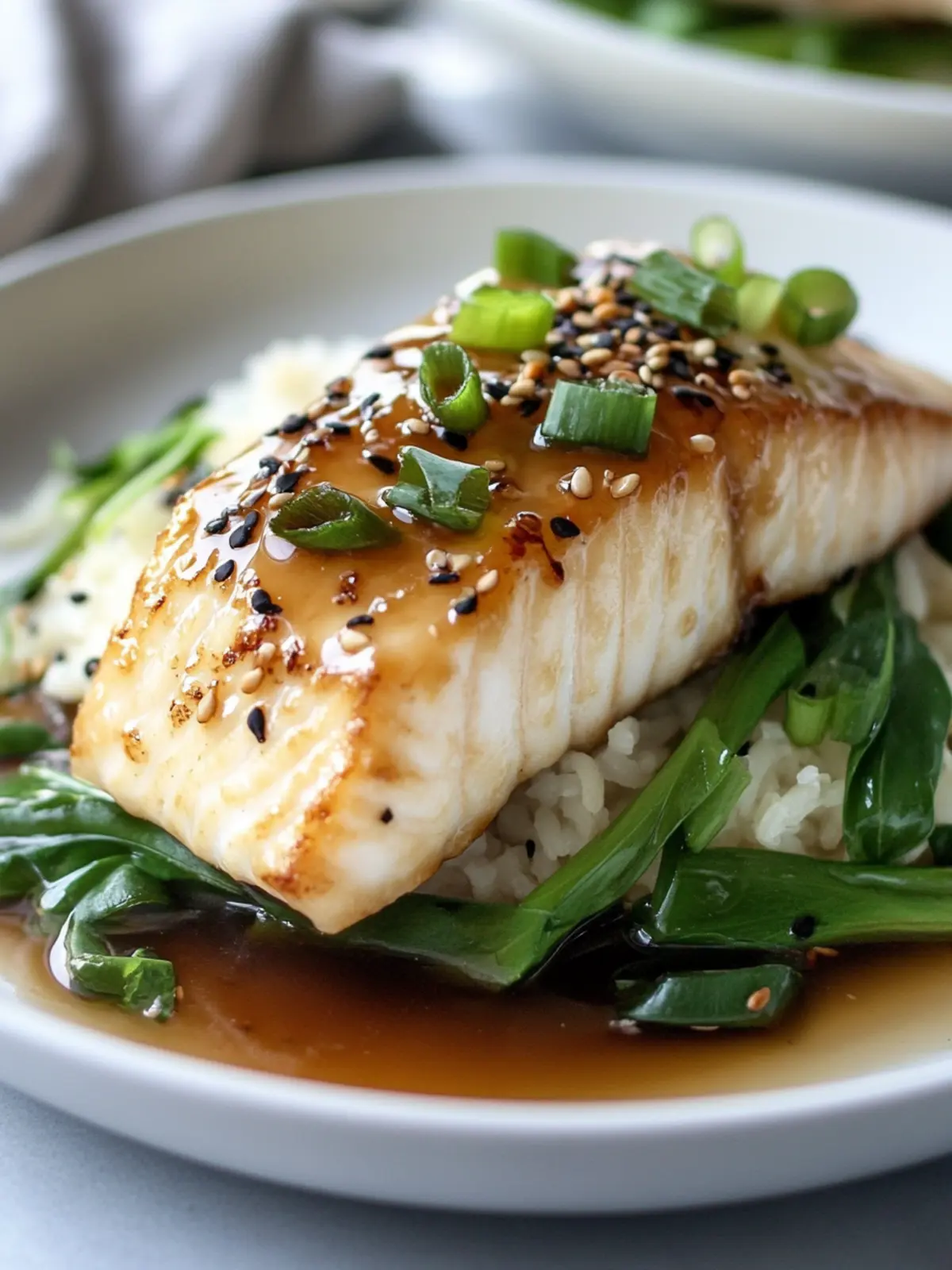
Freshness Matters: Always select the freshest halibut available; the taste will greatly enhance your dish. Ask your fishmonger for Pacific caught for the best flavor.
Marination Time: Limit marination to 30 minutes. Over-marination can result in an overly salty flavor, ruining your Miso Soy Glazed Halibut.
Broil Smartly: Keep an eye on the halibut while broiling; thickness determines cooking time. It should be flaky and opaque when done, but don t overcook!
Add Spice: If you like a bit of heat, consider adding sliced chilies to the glaze during cooking. This sweet and spicy twist will elevate your dish even more.
Presentation Tip: Don t skip the garnish! Sesame seeds and freshly sliced green onions add visual appeal and enhance the overall taste of your Miso Soy Glazed Halibut.
Miso Soy Glazed Halibut Variations
Feel free to be creative and customize this dish to fit your tastes and diet!
- Salmon Swap: Substitute halibut with salmon for a rich flavor and omega-3 boost.
- Chicken Delight: Use chicken breasts instead of fish to create a delightful alternative that s equally savory.
- Shrimp Upgrade: Glaze shrimp and grill or broil them for a quick seafood option with a delicious twist.
- Spicy Kick: Add sliced fresh chilies or a dash of sriracha to the glaze for those who like it hot!
- Herb Infusion: Mix in fresh herbs like cilantro or parsley into the glaze for an aromatic finish.
- Citrus Zest: Brighten the dish with a squeeze of lemon or lime juice just before serving for an extra zing.
- Taste of Sesame: Use toasted sesame oil instead of regular for deeper nutty notes.
- Cauliflower Rice: Swap brown rice for cauliflower rice to keep it light and low-carb while maintaining fullness.
What to Serve with Miso Soy Glazed Halibut?
A beautiful meal is incomplete without the perfect companions to enhance its flavors.
Creamy Mashed Potatoes: The buttery richness of mashed potatoes perfectly contrasts the savory glaze of the halibut, adding comfort to your dish.
Sautéed Bok Choy: This vibrant, nutrient-rich vegetable is not only a great side but also complements the umami flavor, making your plate colorful and healthy.
Teriyaki Quinoa: The nutty texture of quinoa, drizzled with a light teriyaki sauce, creates an interesting flavor profile that pairs well with the halibut s sweetness.
Spicy Pickled Cucumbers: A refreshing twist, these crunchy cucumbers offer a delightful heat that balances the halibut s rich glaze, refreshing your palate with each bite.
Steamed Jasmine Rice: Its subtle floral flavor and tender grains provide a comforting base that absorbs the delicious glaze, making every morsel an experience to cherish.
Citrus Salad: A light salad with grapefruit and orange segments adds brightness, cutting through the savory elements while bringing a burst of freshness to the table.
Ginger-infused Green Tea: This warm, soothing drink not only highlights the flavors of the halibut but also adds a calming finish to your meal.
Chocolate Mousse: For dessert, a rich chocolate mousse provides a luxurious end to your dining experience, balancing the sweet and savory components beautifully.
These delightful pairings will create a memorable culinary journey perfect for savoring every flavor!
Storage Tips for Miso Soy Glazed Halibut
- Fridge: Store leftovers in an airtight container for up to 2 days. To maintain freshness, consume promptly for the best taste experience.
- Freezer: If you need to freeze the halibut, wrap the fillets tightly in plastic wrap and then in aluminum foil. This will keep them fresh for up to 3 months.
- Reheating: Thaw frozen Miso Soy Glazed Halibut in the fridge overnight and reheat gently in a preheated oven at 350 °F (175 °C) for about 10-15 minutes, ensuring it remains moist.
- Room Temperature: Avoid leaving halibut at room temperature for over 2 hours to ensure food safety. Enjoy it while it s fresh, as flavors can diminish over time.
Make Ahead Options
These Miso Soy Glazed Halibut fillets are perfect for meal prep, saving you time on busy weeknights! You can marinate the halibut in the glaze and refrigerate it for up to 24 hours in advance, allowing the flavors to deepen beautifully. Additionally, you can prepare the glaze itself and store it in an airtight container in the fridge for up to 3 days. Simply whisk it again before using to ensure a smooth consistency. When you re ready to enjoy your delicious creation, all you ll need to do is broil the halibut for 8-10 minutes until it s perfectly caramelized and flaky just as delightful as if you had made it fresh!
Miso Soy Glazed Halibut Recipe FAQs
What should I look for when selecting halibut?
Absolutely! When selecting halibut, look for fish that is firm, moist, and has a clean ocean scent. Fresh halibut should have a translucent appearance, and avoid any that shows dark spots or a dull coloration. If you have access to a fishmonger, ask for Pacific-caught halibut for the best flavor and quality.
How should I store leftovers of Miso Soy Glazed Halibut?
For sure! Store any leftovers in an airtight container in the refrigerator for up to 2 days. To keep the halibut fresh, consume it promptly, as it s best enjoyed fresh rather than reheated. If it s not going to be eaten within that timeframe, freezing is the way to go!
Can I freeze Miso Soy Glazed Halibut?
Very much! To freeze, wrap the halibut fillets tightly in plastic wrap, and then wrap again in aluminum foil for extra protection. This helps prevent freezer burn. Properly stored, frozen halibut can last up to 3 months. When you re ready to enjoy it, thaw it in the fridge overnight and reheat gently.
What should I do if my halibut turns out too salty?
Oh no, don t worry! If you find your halibut overly salty, try serving it alongside neutral foods like plain brown rice or a salad to balance the flavors. You could also try sprinkling fresh herbs or squeeze a little lime over the top to brighten the dish and offset the saltiness.
Is there a way to make Miso Soy Glazed Halibut safe for my gluten-free diet?
Absolutely! To keep this dish gluten-free, simply substitute regular soy sauce with tamari, which is specifically made without gluten. Additionally, ensure that the miso and chili ponzu used are also labeled gluten-free, as some brands might contain wheat. Always double-check labels to be safe!